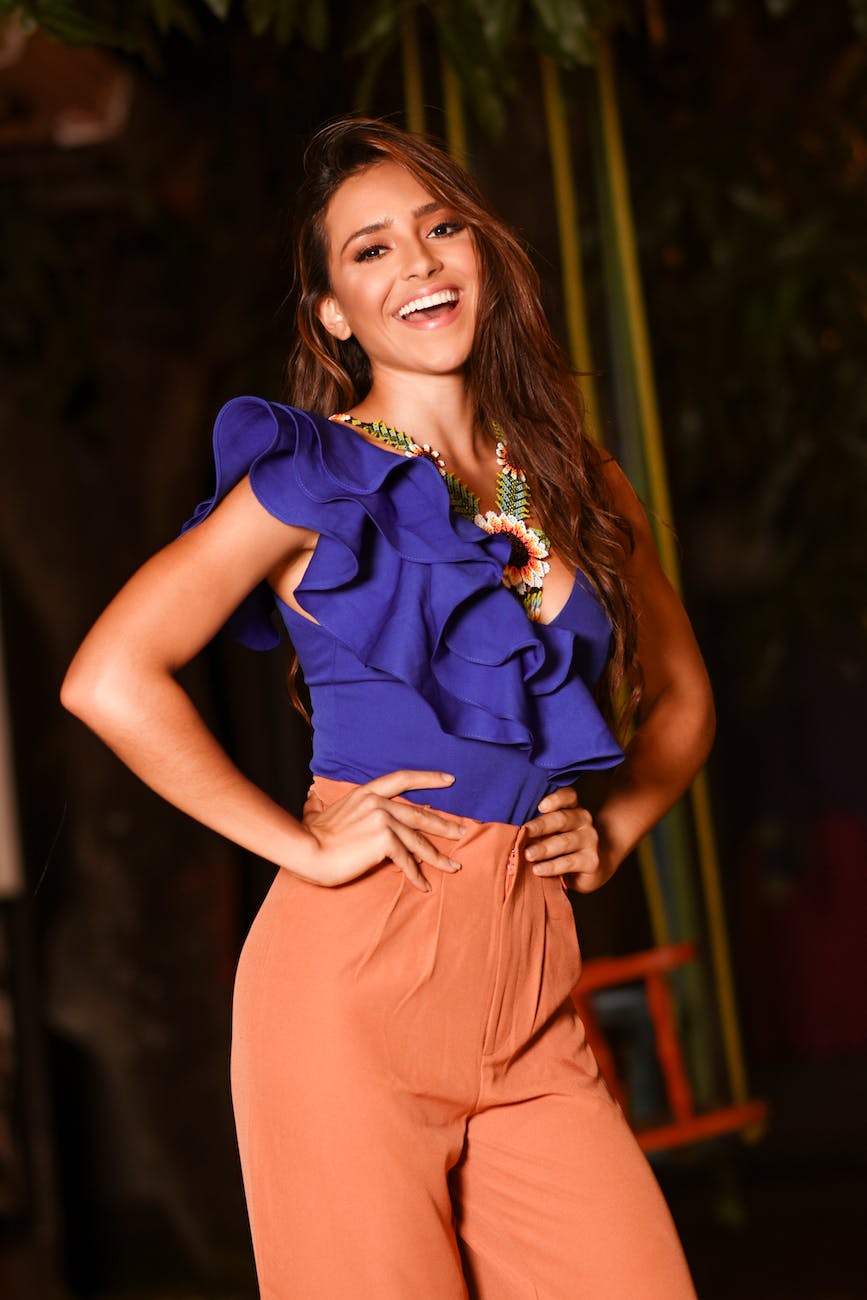
Sustainable fashion has been a hot topic in the industry for quite some time now. With an increasing awareness of the negative impact of fast fashion on the environment and society, there has been a growing demand for ethical and eco-friendly fashion options. In response, designers and brands are embracing sustainable practices, creating innovative products and making significant changes in the way they do business. Let’s explore some of the sustainable fashion trends that are making waves in the industry.
Circular Fashion
Circular fashion is a model that prioritizes minimizing waste and maximizing the use of resources by keeping products and materials in use for as long as possible. This trend is gaining popularity as designers and brands are adopting circular design principles, creating clothes that are meant to be reused, repaired, or recycled. Clothing rental services, like Rent the Runway, are also becoming more prevalent, allowing customers to wear high-end clothing and accessories for special occasions without having to buy them. Additionally, secondhand clothing stores and online marketplaces, like ThredUp and Depop, are making it easier for consumers to sell and purchase pre-owned clothing, extending the life of garments that would have otherwise ended up in landfills.
Sustainable Materials
Another trend in sustainable fashion is the use of eco-friendly materials. Designers are experimenting with alternative materials, such as organic cotton, linen, hemp, and recycled fabrics, which have a lower environmental impact compared to traditional materials like polyester and nylon. Leather and fur alternatives, such as pineapple leather and faux fur, are also being developed, offering customers cruelty-free and sustainable options. Some brands are even using innovative materials like mushroom leather, made from the root system of fungi, to create accessories and clothing.
Ethical and Transparent Supply Chain
In addition to using sustainable materials, brands are also focusing on improving their supply chains to ensure ethical and transparent production practices. This includes fair labor practices, safe working conditions, and the use of environmentally friendly production methods. Brands are increasingly publishing detailed information about their supply chain on their websites and labels, allowing customers to make informed decisions about their purchases.
Gender-Neutral Clothing
The trend towards gender-neutral clothing is also gaining momentum, as designers are moving away from traditional gendered clothing styles and embracing more inclusive designs. Brands like Phlemuns and Telfar are creating gender-neutral collections that celebrate individuality and diversity, allowing customers to express themselves through their clothing without being confined to traditional gender roles.
Slow Fashion
Lastly, the slow fashion movement is gaining popularity as an alternative to fast fashion. Slow fashion is about creating high-quality, long-lasting garments that are designed to be worn for years, rather than being quickly discarded after a few wears. Brands that embrace slow fashion are committed to using sustainable materials, ethical production methods, and transparent supply chains. By creating products that are made to last, slow fashion brands are challenging the fast fashion model and encouraging consumers to make more conscious choices when it comes to their clothing purchases.
In conclusion, sustainable fashion is no longer just a trend but a necessary shift towards a more responsible and ethical fashion industry. Designers and brands are embracing sustainable practices, experimenting with eco-friendly materials, and creating innovative products that have a lower environmental impact. By prioritizing circular fashion, using sustainable materials, improving supply chain transparency, embracing gender neutrality, and advocating for slow fashion, the industry is making significant strides towards a better future for both people and the planet. As consumers, we can support these sustainable fashion trends by making more conscious choices about the clothing we purchase and the brands we support. By choosing sustainable fashion, we can all contribute to creating a more sustainable and ethical future.
 My Fashion World